The ski week rarely fails on the piste. It frays at the airport: delayed bags, crowded coach ranks, and a hire-car queue that eats your first afternoon. UK travellers heading to the French Alps with Ski Peak, another tour operator or with their own plans can avoid most of that with a simple plan for airport choice, timing and the ride to the resort.
Which airport actually suits your resort?
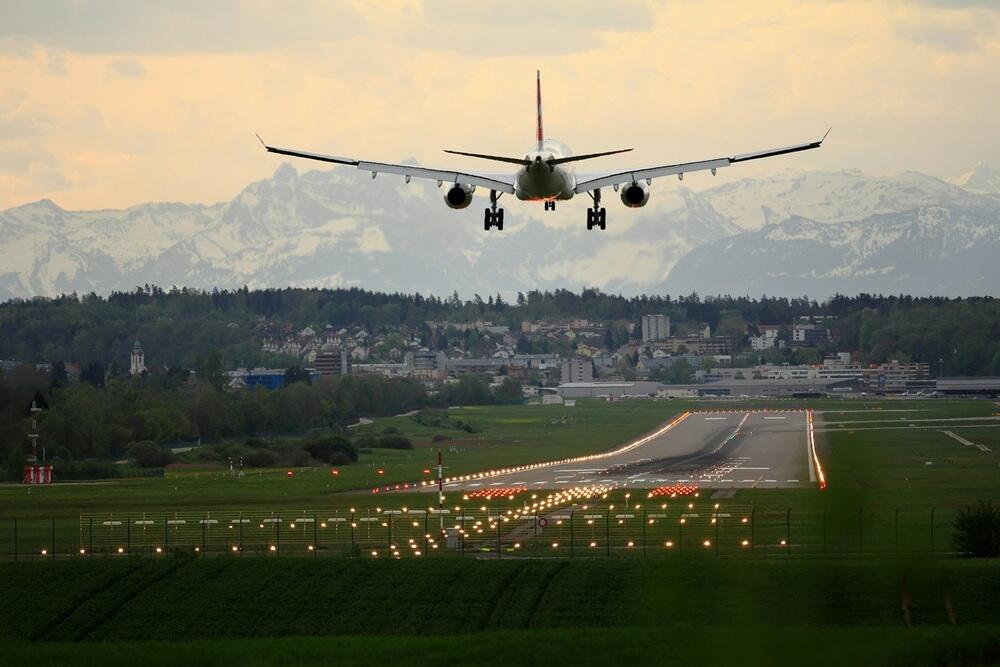
Geneva and Lyon remain the default hubs for many French resorts. They are both international, all year round airports so offer a streamline and proffessional service, constantly being updated and upgradded. Winter airports such as Grenoble and Chambery are fantastic in the right conditions and quite a slog in the wrong ones, even if your ski destination is only an hour away from it!
Geneva suits Portes du Soleil, Chamonix, and much of the northern Three Valleys. Chambery is closer for some Tarentaise resorts but has fewer winter flights. Lyon and Grenoble work for central and southern Alps destinations such as Vaujany, Les Deux Alps, Serre Chevalier... and can be smarter when Geneva is fully booked, not to mention hours closer!
If Meribel is on your list, booking a Geneva to Meribel transfer means you walk out of arrivals to a driver who already knows the Saturday pattern. You skip map arguments and the slow crawl through unfamiliar mountain roads in the dark.
Match the airport to the resort road, not to the cheapest flight alone. A bargain inbound that lands you four hours further away often costs the time you saved on the fare.
Saturday is a different sport
Peak changeover days stack arrivals. Expect longer waits for bags and busier roadheads out of the airport. If your group can fly Friday night or Sunday morning, the transfer is usually quieter.
Build a buffer between landing and any timed activity. First-day ski school slots look optimistic when the plane is forty minutes late and the baggage belt is still empty.
- Share flight numbers with your transfer company
- Keep one warm layer in hand luggage
- Agree a WhatsApp point person for the group
- Note the meeting point in arrivals before you land
Shared transfer vs private vs hire car
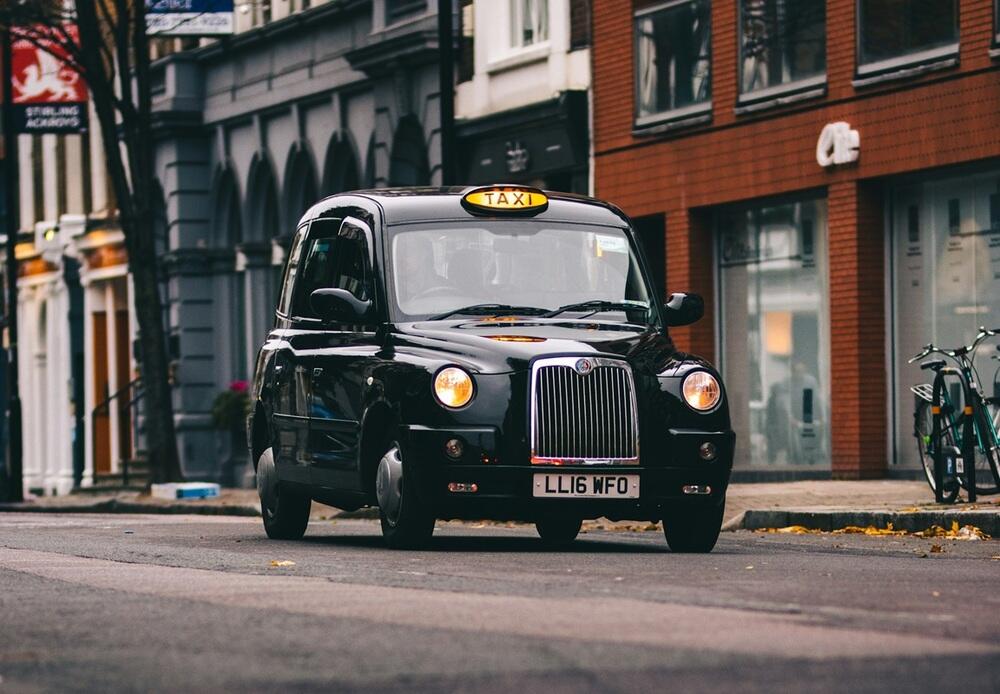
Shared transfers are cost-effective for couples and small groups who can accept a few stops. Private transfers suit families with child seats, lots of ski bags, or late inbound flights. Hire cars give flexibility during the week but add winter driving, parking fees and the stress of mountain approaches after dark.
For a classic UK ski holiday week, many groups prefer door-to-door transfer both ways and keep local buses or taxis for village hops.
Luggage reality check
Ski bags do not behave like suitcases. Soft bags bend into vans; hard cases need more boot space. Tell the transfer company how many ski bags you have when you book. Undersized vehicles are the usual cause of awkward reshuffles on the kerb.
Label bags with a mobile number. On busy Saturdays, several vans leave at once and mix-ups happen fast.
A calmer arrival day
Eat something before you leave the airport if the transfer is long. Keep water handy. Mountain roads after a dawn flight feel longer when nobody has had breakfast.
If you travel with children, pack snacks and a spare pair of gloves in the cabin bag. Transfers are warmer than coach stations, but the wait at the meeting point can still be chilly when the automatic doors keep opening.
Plan the airport bit with the same care you give the piste map. The skiing starts sooner when the journey is boring in the best way.
For many travelers, a mountain getaway begins not with fresh Alpine air, but with airport madness: long security queues, baggage limits, and chaotic terminals. Luckily, trading the tarmac for the tracks or the open road makes reaching the French Alps a peaceful, scenic part of the holiday itself.
High-Speed Trains to the Slopes
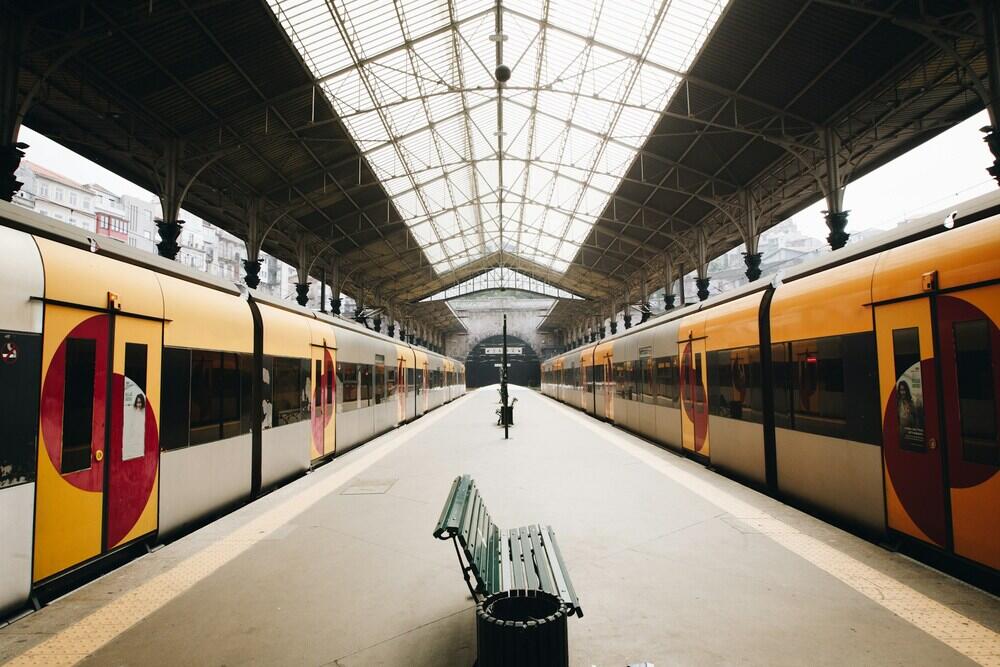
High-speed rail is the ultimate alternative to flying. Starting aboard the Eurostar, passengers can connect via Paris or Lille onto fast TGV trains running straight toward major Alpine gateways such as Lyon and Grenoble or Bourg Saint Maurice.
Two standout destinations highlight how easy rail-based Alpine travel can be:
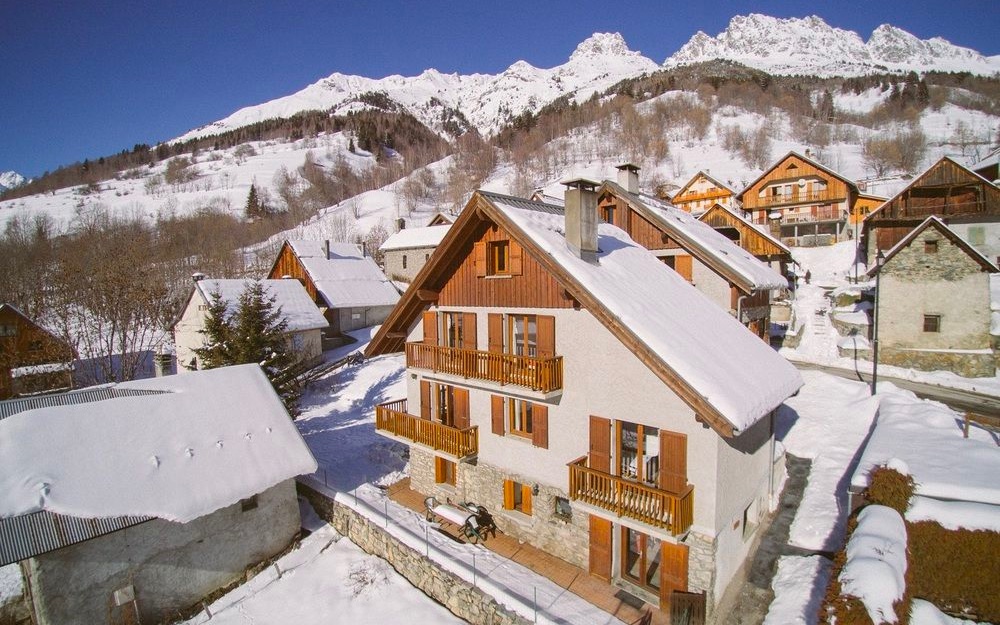
· Vaujany: Nestled in the Isère region, this charming village connects directly to the vast Alpe d'Huez ski domain. Taking the train to Grenoble leaves you just a short, scenic bus or taxi transfer away from Vaujany’s serene atmosphere, allowing you to bypass major airport traffic.
· Alpe d'Huez: Known for its sun-drenched slopes and iconic 21 hairpin bends, Alpe d'Huez is equally accessible via Grenoble or Chambéry station. Heading up the valley by road or local shuttle offers front-row views of dramatic cliffs without baggage fees for heavy ski gear.
The Self-Paced Road Trip
For complete freedom, driving via the Eurotunnel Le Shuttle or cross-Channel ferries lets you travel at your own pace. Taking the motorway down through France allows room for extra luggage, equipment, and spontaneous stops for regional wine and cheese before tackling the winding climbs into resorts like Vaujany.
A Better Way to Travel
By opting for rail or road, you avoid airport delays and start relaxing the moment your journey begins. You arrive in the Alps refreshed, stress-free, and ready to hit the slopes.
Tagged with;